








The Evolution of the Bobber: A Fly-Fishing History from Cork to OROS
Fly fishing has always been a sport rooted in tradition but like the rivers we fish, it’s constantly flowing forward. One of the most fascinating evolutions in fly fishing is the strike indicator or the bobber. At least that’s what we refer to them as here at The Tackle Shop. Here at The Tackle Shop in Ennis, Montana, we’ve seen just about every version of these small but essential tools come and go over the last 84 years.
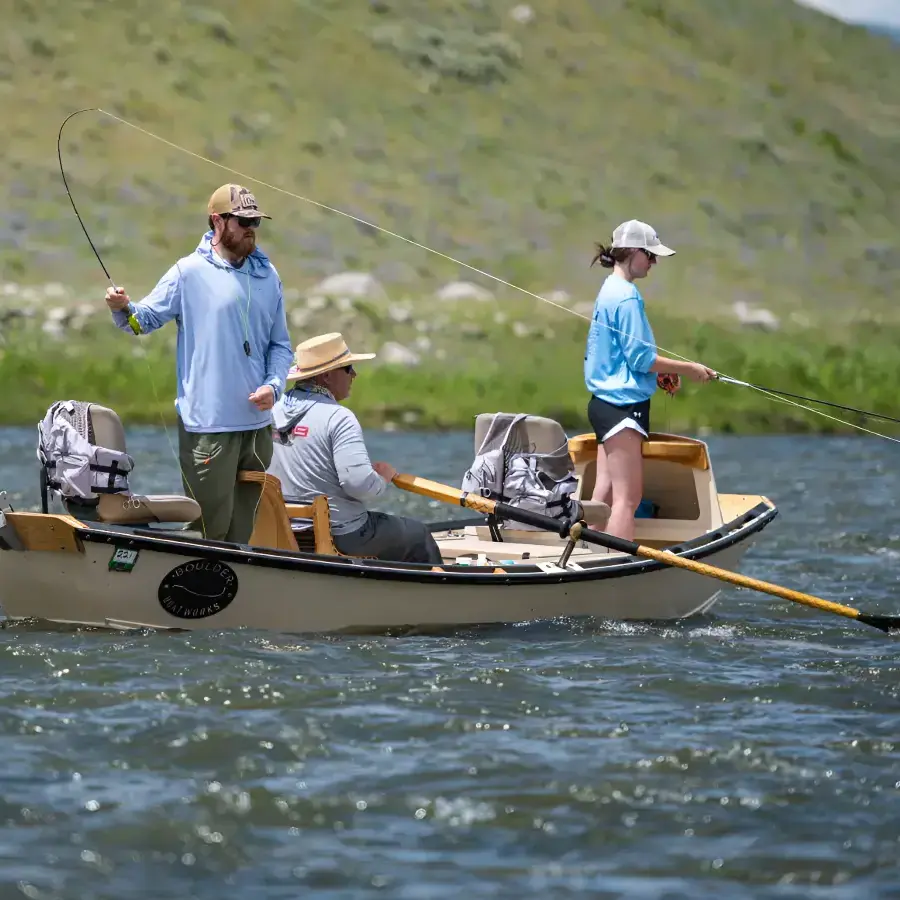
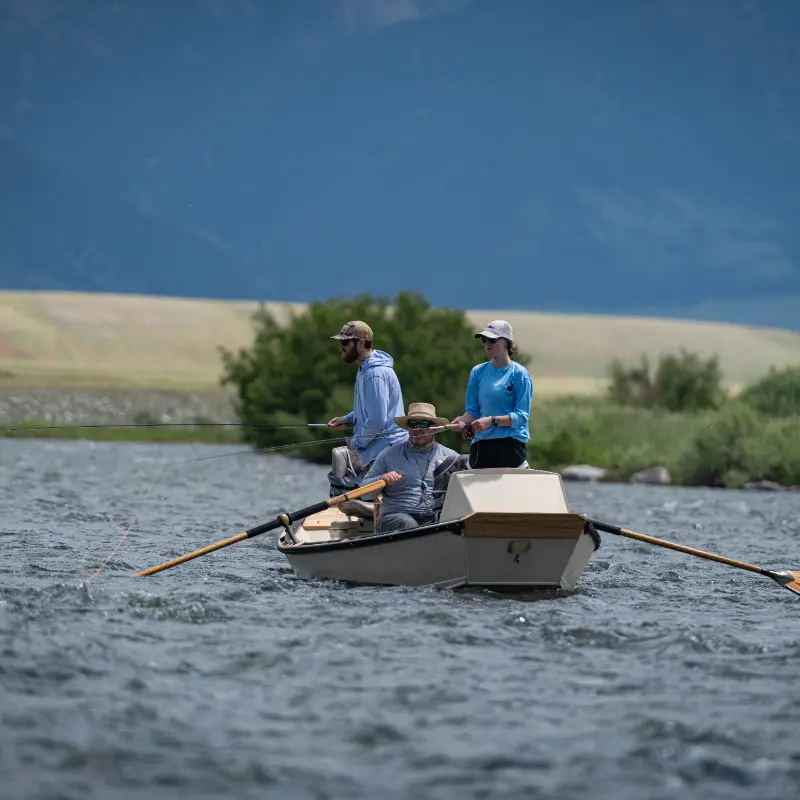
Today, we’re diving into the interesting history of strike indicators, from carved corks to cutting-edge OROS technology. Whether you’re casting from the banks of the Madison River or wading through its riffles with one of our expert guides, understanding your indicator could be the key to your next big catch.
Back When Bobbers Were Cork and Quirky
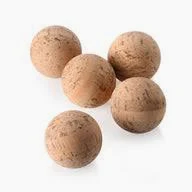
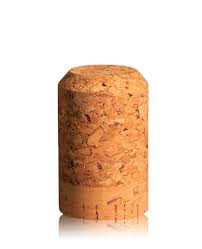
Before high-tech materials and precision-molded designs, anglers improvised. The earliest strike indicators were often whittled from cork, wrapped with thread, or shaped from balsa wood. They were constructed as makeshifts, but they worked well enough to get a trout’s attention and give the angler a fighting chance.
In those days, knowing how to feel a take mattered just as much as seeing one. Indicators were bulky and often more of an annoying tool than some help on smaller water. Still, they helped anglers experiment with depth and detect subtle bites, laying the groundwork for the modern styles we know today.
Foam, Yarn, and the Rise of the DIY Era
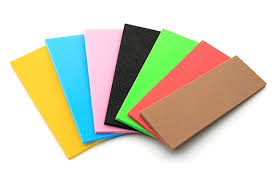
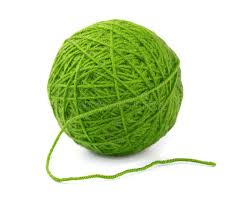
Fast-forward to the 1990s and early 2000s—fly fishing was booming, and so was gear innovation. Foam indicators became the standard, loved for their bright colors, affordability, and floatability. Yarn indicators also gained popularity, especially in technical water where delicate drifts were required.
These tools opened nymph fishing to more anglers than ever before. Suddenly, you didn’t need the hands of a surgeon to detect a strike. But these setups also had drawbacks. Foam indicators could kink your leader and weren’t always easy to adjust mid-river. Yarn absorbed water and needed constant attention to stay afloat.
Enter the OROS: Precision Meets Simplicity
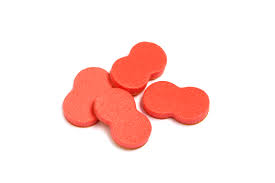
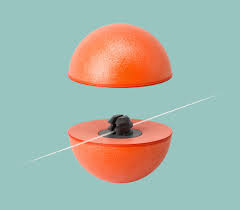
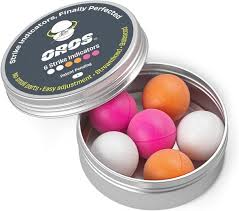
At The Tackle Shop, we’ve tested nearly every strike indicator on the market, and the one we’ve come to rely on—the one I personally use on the water—is the OROS Strike Indicator.
What sets OROS apart?
- Streamlined Design: OROS indicators screw open and closed, enclosing the leader inside with zero kinks or slip.
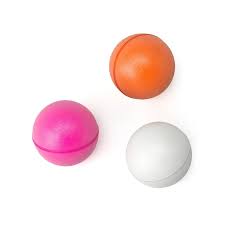
- Buoyant & Visible: They float high even in heavy water and are easy to spot in all conditions.
- Simple to Adjust: Whether you’re fishing pocket water or deep runs on the Upper Madison River, adjusting your depth is quick and hassle-free.
Our guides, many of whom have been with us for decades, swear by OROS for clients at all skill levels. It’s the one indicator we stock up on every season.
Why Your Indicator Matters on the Madison River
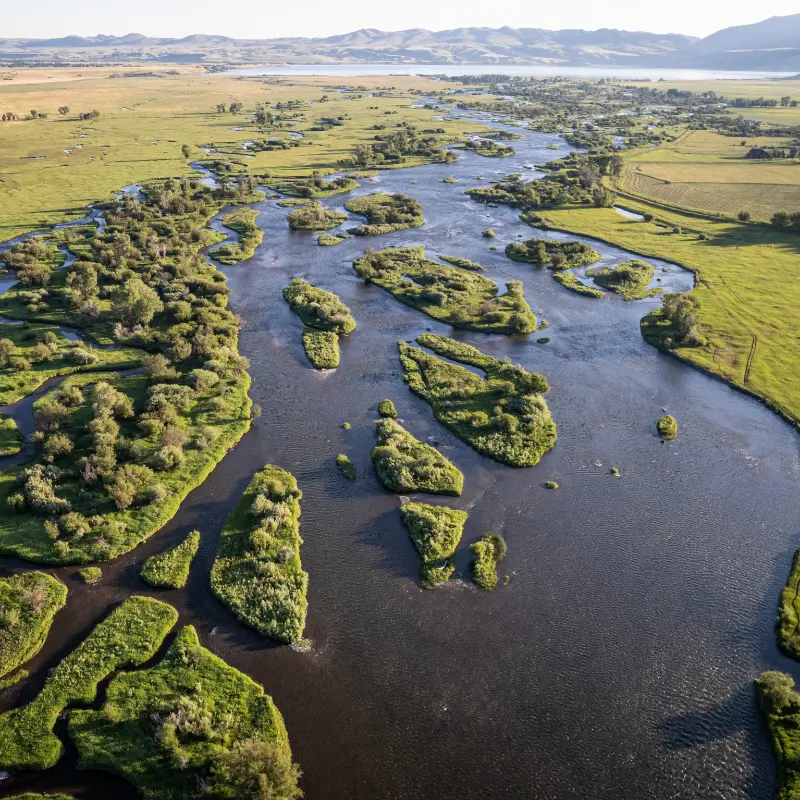
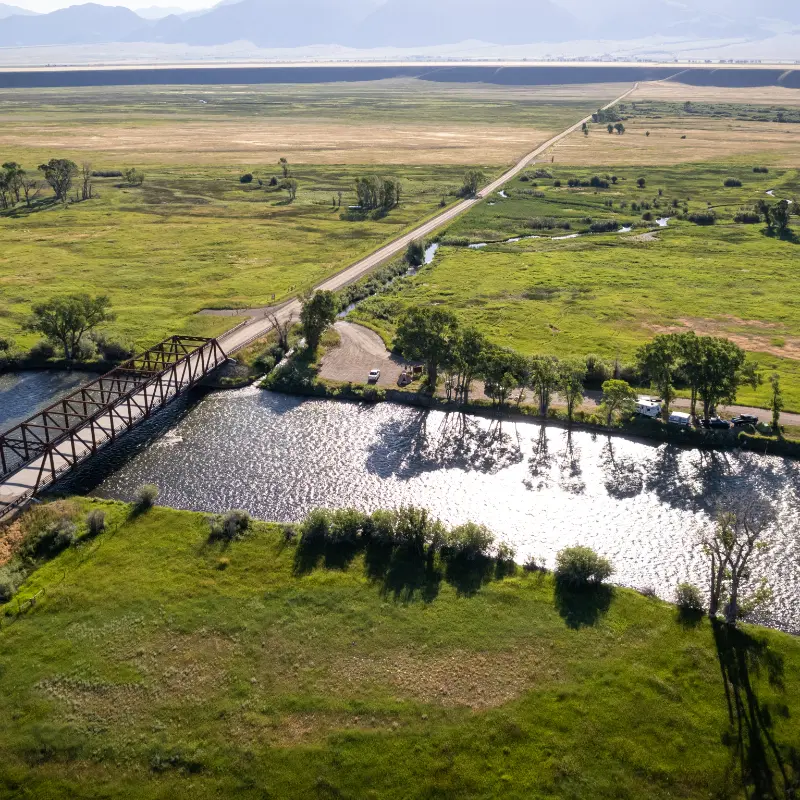
The Madison River is known for its technical flows and it’s 55 Mile Riffel name. Whether you’re fishing the faster riffles up near Three Dollar Bridge or the braids closer to Ennis, having the right indicator can make or break your drift.
A clunky or poorly positioned indicator won’t just spook fish; it can sabotage your fly’s natural movement. That’s why we recommend OROS for anglers looking to level up their nymphing game, especially here in Montana fly fishing country.
Pro Tip: Let Your Indicator Be Your Teacher
If you’re just getting started with fly fishing, your indicator isn’t just a tool, it’s a teacher. It tells you if you’re drifting too fast, too shallow, or if you’ve just been outsmarted by some trout.
Pro Tip Callout Box:
“Your strike indicator is more than a float; it’s a feedback tool. Pay attention, and it’ll teach you more than any YouTube video ever could.”
Ready to Fish Smarter?
Whether you’re a beginner subsurface fly fisherman or a seasoned vet looking to dial in your setup, we’ve got the gear and the expertise to make it happen.
? Shop OROS Strike Indicators Now
? Book a Guided Trip on the Madison River
Happy Fishing,
Riley Smith.
Shop Manager – The Tackle Shop, Ennis, Montana


